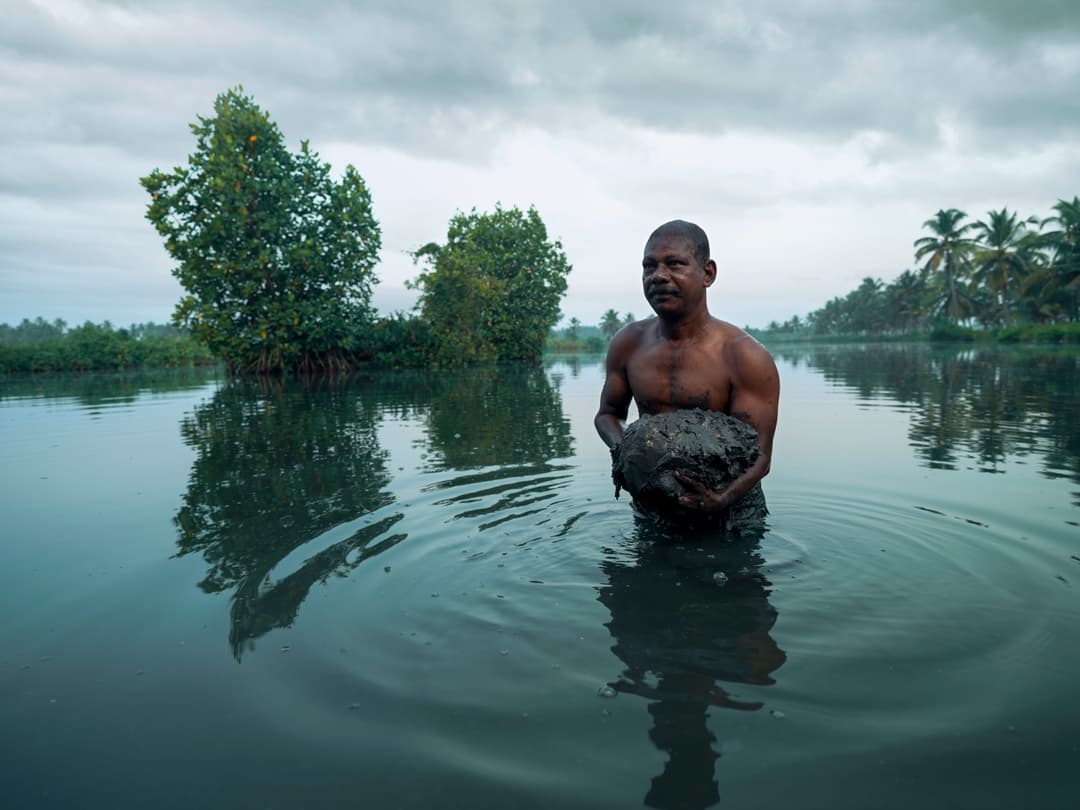

Climate Responsible & Climate Resilient Destinations


CRCRD is a destination-scale framework that repositions destinations not as tourism products, but as living socio-ecological systems. It recognises that places must simultaneously reduce their contribution to climate risk while building the capacity to withstand, respond to, and recover from climate shocks.

At its core, CRCRD integrates two distinct yet deeply interconnected verticals: climate responsibility and climate resilience.

Hero image
Team collaboration

1. Climate Responsibility

Climate Responsibility focuses on how destinations, as whole systems, reduce their overall climate footprint by shifting beyond a narrow focus on tourism’s impact to the responsibility of the place itself. It integrates how people move, use energy, build infrastructure, and manage land and resources, positioning tourism as one part of a larger ecosystem. Through actions like reducing carbon intensity, transitioning to renewable energy, enabling low-carbon mobility, and embedding climate-responsive planning, this approach ensures that climate mitigation becomes part of the destination’s everyday functioning.

Placeholder image

2. Climate Resilience

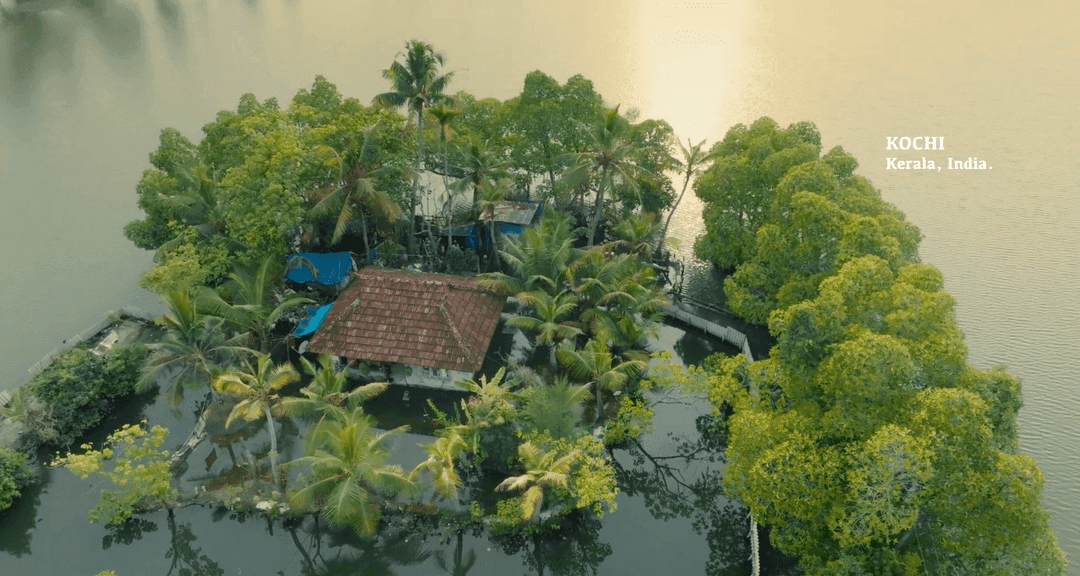
The second vertical focuses on Climate Resilience, enabling destinations to prepare for and respond to disruptions such as floods, cyclones, heatwaves, and sea-level rise. It positions destinations as frontline actors in a climate-affected world, especially where livelihoods depend on vulnerable sectors. By strengthening disaster preparedness, building community resilience and adaptive livelihoods, integrating tourism infrastructure into emergency response, and ensuring economic continuity, this approach recognises that true resilience lies not just in infrastructure, but in people, systems, and the ability to adapt under uncertainty.

A Systems ApproachIntegrating Responsibility & Resilience

What makes CRCRD distinct is that it does not treat mitigation and adaptation as separate agendas. Instead, it integrates them within a single, place-based framework. 

Traditional approaches often build disaster response capacity without addressing the underlying development pathways that increase climate risk. CRCRD responds to this gap by aligning low-carbon development with resilience-building, ensuring that destinations do not reduce risk in one dimension while increasing it in another. 

It also bridges sectors that typically operate in silos—tourism, development, and humanitarian systems—bringing them into a coordinated, mutually reinforcing ecosystem.

From Practice, Not Theory

CRCRD did not emerge as an abstract framework. It evolved from over two decades of on-ground work across multiple regions, responding to repeated climate-induced disruptions including floods, cyclones, and slow-onset changes such as sea-level rise.

These experiences revealed a critical insight: response alone is not enough. Without transforming how destinations are designed, governed, and sustained, vulnerability will continue to grow.CRCRD is therefore built as a practice-led, field-tested model, grounded in real-world challenges and designed for scalability across geographies.

Placeholder image

Reframing Destinations for The Future

Ultimately, CRCRD redefines what a destination is and what it must become. 

It shifts destinations:

  • from consumption-driven economies to resilience systems

  • from fragmented sectoral approaches to integrated ecosystems

  • from short-term growth models to long-term sustainability and preparedness

By doing so, it offers a pathway to create places that are not only attractive to visit, but safe to live in, adaptive to change, and regenerative by design.

CALL TO ACTION

The climate crisis is already transforming destinations, making preparedness and adaptation urgent. CRCRD offers a pathway, but its success depends on collective action across sectors—from governments and tourism stakeholders to communities and academia. By reimagining destinations as living systems, aligning infrastructure for resilience, investing in local capacity and data, and building cross-sector partnerships, stakeholders can co-create climate-responsible and climate-resilient futures. CRCRD is an evolving, collaborative framework that invites shared action to move from fragmented efforts to integrated, place-based solutions that are inclusive, regenerative, and built to thrive in a changing climate.

Portfolio
© 2025 Portfolio. Crafted with intention.

Portfolio · © 2025 Portfolio. Crafted with intention.