AStoryWritteninCenturies
From the dismantling of sovereign nations to decades spent seeking justice in courts built by colonizers — this is the path that led to the founding of a parallel way. Not born of anger, but of remembering.
The Dismantling
For centuries, indigenous peoples across every continent governed themselves through systems rooted in reciprocity, ecological balance, and ancestral law. These were not primitive arrangements — they were sophisticated, place-based governance structures that sustained communities and ecosystems for millennia.
Colonization did not merely conquer territory. It systematically dismantled entire knowledge systems — banning traditional medicine, destroying food sovereignty, replacing indigenous governance with imposed structures, and erasing languages that carried thousands of years of accumulated wisdom.
Traditional rice varieties banned. Healing plants outlawed. Economic systems restructured to serve distant empires. Administrative frameworks redesigned to channel wealth away from the land and its people. What colonizers called 'independence' was merely the transfer of power to hybrid systems they had built — colonial logic wearing a new face.
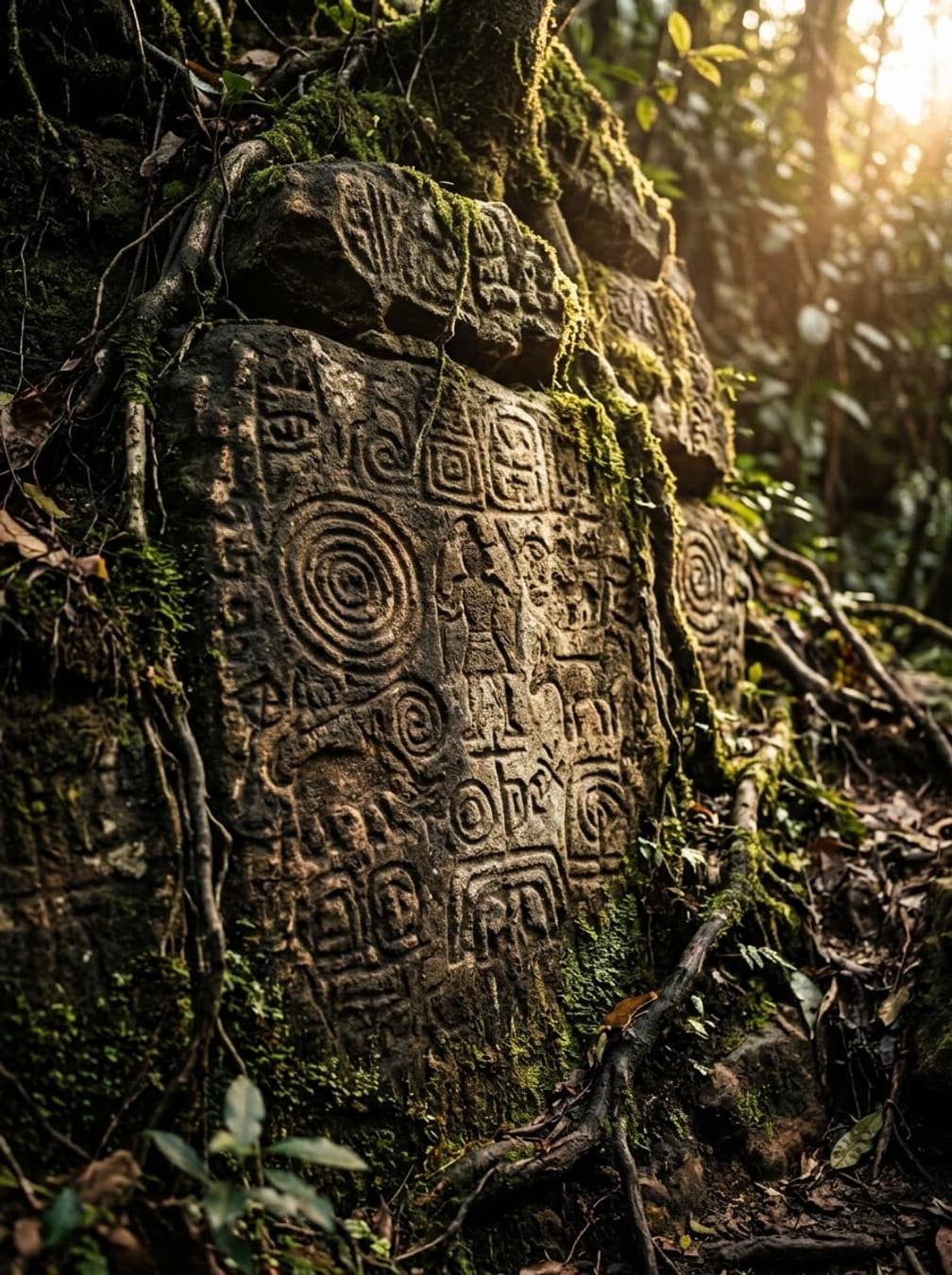
This was not one event in one place. It was a global pattern — repeated across Sri Lanka, the Americas, Africa, Oceania, the Arctic. Everywhere the pattern touched, it left the same wound: peoples severed from their own story.
Justice Sought in Broken Courts
For decades, indigenous leaders carried their cases to the institutions that promised justice — only to discover those institutions were built on the same foundations that displaced them.

The Parallel Path
The United First Nations Confederation was not born from defeat. It was born from clarity — the recognition that seeking justice within colonial frameworks is itself a form of subjugation. The courts, the councils, the forums — they were never designed to restore what was taken. They were designed to manage the dispossessed.
So a different choice was made: to stop petitioning and start building. To gather indigenous leaders not as supplicants before state institutions, but as sovereign peoples convening on their own authority. To create a parallel organization — not against the existing system, but beyond it.
"We use the current system to the extent necessary to exit from it — not to become enslaved by it, but strategically."
Grounded in Natural Law
The United First Nations Confederation does not derive its authority from any state, court, or international body. Its authority comes from the same source that governed indigenous peoples for millennia before colonization: Natural Law — the understanding that life, land, and community are bound by principles older than any constitution.
The Inversion of Rights
The modern concept of 'human rights' assumes an authority granting rights downward to individuals. We propose the inverse: sovereignty originates with the person. It is the individual who grants the nation conditional permission to govern — not the nation that bestows rights upon the individual.
You are born with agency. The only things that bind you are the relationships with those who care for you and the living world that sustains you. Everything else is agreement — and agreement can be withdrawn.
Ecological Balance as Governance
Natural Law is not abstract philosophy. It is the lived practice of governing in alignment with ecological systems — understanding that natural resources belong equally to every living being, that land cannot be 'owned' by governments that did not create it, and that sustainability is not a policy choice but a condition of existence.
This is the bedrock upon which the UFNC stands: not reform of broken systems, but return to principles that sustained life for millennia. Not confrontation, but construction. Not anger, but remembering.
From Story to Action
This story is not finished. It is being written now — through every indigenous leader who joins the Confederation, every voice recorded and shared, every territory reclaimed in sovereignty. The parallel path is open.